

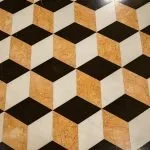
If the gleaming entrance hall or living-room floor in your villa has gradually turned cloudy, scratched or patchy, you are far from alone. Professional marble polishing Ras Al Khaimah villa owners rely on is one of the most requested services we provide, because the combination of fine dust, sandy footfall and intense summer heat is so hard on stone. The good news is that dull, etched and worn surfaces can almost always be brought back to a bright, even shine without ever being replaced.
Why Marble and Natural Stone Lose Their Shine in RAK Villas
Marble, travertine and limestone are softer and more porous than they look, and the RAK environment works against them in several ways at once. The desert sand that blows off the dunes acts like a fine abrasive: every grain tracked across the floor on shoes or sandals lightly grinds the polished surface. Over months and years, that micro-scratching is what turns a mirror finish into a flat, hazy one.
Heat and humidity play their part too. During the long RAK summer, air conditioning runs constantly while outdoor temperatures soar, and the moisture this draws across thresholds and around pool doors can dull stone and lift older sealants. Add the hard, mineral-rich water common across the Emirates and you have a recipe for gradual loss of clarity, especially in high-traffic zones like hallways and stair landings.
Etching, Scratches and Stains: Common Problems We See
When homeowners call us about restoring a dull marble villa floor, the issues nearly always fall into a few familiar categories. Recognising which one you have helps set realistic expectations for the result.
- Etching — cloudy, dull marks left when something acidic (lemon, vinegar, wine, certain harsh cleaners or even some descalers) reacts with the calcium in the stone. These are not stains sitting on top; they are tiny burns in the surface itself.
- Scratches and traffic patterns — the dull “walkways” that appear where people move most, caused by that sandy abrasion over time.
- Staining — oils, cosmetics, coffee or rust that have soaked into unsealed or poorly sealed stone.
- Lippage and uneven joints — tiles set slightly higher than their neighbours, which catch the light and the foot.
- Dull, worn sealant — an old protective layer that has simply broken down and stopped doing its job.
The key point is that genuine natural stone restoration in RAK treats the stone itself, not just the surface film. That is why a quick mop-and-buff rarely fixes etching or deep traffic wear, even though it can make a floor look briefly cleaner.
Grinding, Honing, Polishing and Sealing Explained
Proper marble floor cleaning in the UAE is really a sequence of stages, each using progressively finer diamond abrasives. Understanding the steps makes it clear why the results last far longer than a surface treatment.
- Grinding — the most aggressive stage, reserved for badly worn or uneven floors. Coarse diamonds flatten lippage and remove deep scratches, taking the stone back to a fresh, level surface.
- Honing — finer abrasives smooth away the grinding marks and erase etching and traffic patterns, leaving a clean, uniform matte finish.
- Polishing — the finest diamonds and polishing powders close the surface and build up the reflective shine, from a soft satin sheen to a full high-gloss mirror, depending on what you prefer.
- Sealing — a penetrating impregnating sealer is worked into the now-open pores to slow down future staining and make day-to-day cleaning much easier.
Travertine polishing in Ras Al Khaimah often adds one extra step. Because travertine naturally has open holes and pits, these are usually filled before honing so the finished floor is smooth, even and far simpler to keep clean. The same care applies to limestone and many engineered marble compounds.
Marble Care for Coastal Properties on Al Marjan and Al Hamra
Homes and resorts on Al Marjan Island and around Al Hamra face an extra challenge: salt-laden sea air. Tiny salt particles settle on outdoor terraces and get carried indoors, where they accelerate dulling and, on some stones, encourage spalling and surface pitting near pool decks and balcony thresholds. For these coastal villas and the many holiday and rental units in the area, a slightly more frequent maintenance schedule keeps stone looking its best.
If you own or manage a beachfront property, we recommend rinsing exterior stone regularly to wash off salt, dealing with spills quickly so they cannot etch, and arranging professional marble polishing Ras Al Khaimah specialists carry out on a sensible re-polish and re-seal cycle, rather than waiting until the damage is obvious. Our team handles full marble polishing Ras Al Khaimah residents trust for private villas, holiday homes and hospitality clients alike, and we are happy to tailor a plan to how hard your floors actually work. You can read more about this on our marble polishing and specialist cleaning in Ras Al Khaimah page.
How Halo Clean’s Specialist Stone Restoration Works
Every project begins with an on-site assessment. We identify the stone type, test a small area, and agree the finish you want before any machine touches the floor. This matters because the right approach for honed travertine differs from that for high-gloss marble, and we would rather get it right than guess.
On the day, we protect skirting, furniture and adjoining surfaces, then work through the grinding, honing, polishing and sealing stages appropriate to your floor. Modern equipment keeps dust and mess to a minimum, and we leave the space clean, dry and ready to use. Afterwards we will talk you through simple aftercare: pH-neutral cleaners only, soft pads, prompt spill clean-up, and felt protectors under heavy furniture to keep that restored shine for as long as possible.
Whether you are tackling one tired hallway or restoring a whole villa, our friendly RAK-based team is available 8am to 8pm, seven days a week, to assess your floors and give you a clear, honest quote. Book a cleaning with Halo Clean and let us bring your marble and natural stone back to life.